
In the world of sustainable building solutions, WPC cladding has emerged as a popular choice for both residential and commercial properties across Australia. But what is WPC cladding exactly?
WPC stands for Wood Plastic Composite—a hybrid building material made by combining natural wood fibres with plastic polymers. It’s used as a weather-resistant, low-maintenance alternative to traditional timber and vinyl cladding.
Whether you’re a builder, homeowner, or architect looking for stylish and durable finishes, WPC external cladding offers a sustainable and cost-effective solution.
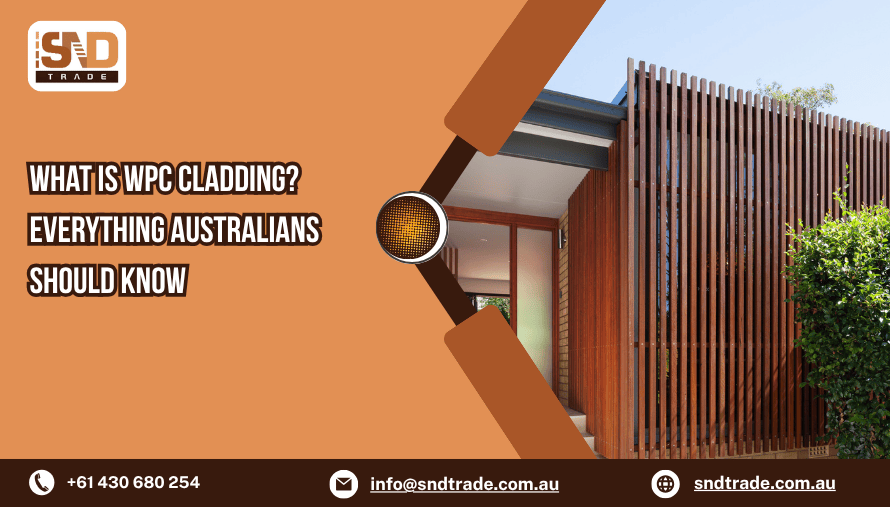
Why WPC Cladding is Trending in Australia
Australia’s harsh weather—from coastal humidity to dry inland heat—demands strong and resilient building materials. That’s why WPC cladding has taken off in places like Sydney, Melbourne, Perth, and Brisbane.
📊 According to Grand View Research, the global WPC market is expected to grow at a CAGR of 11.5% between 2023 and 2030, and Australia is a fast-growing segment due to its climate-friendly and sustainable appeal.
How is WPC Cladding Made?
WPC cladding is produced by blending:
- Natural wood fibres (like sawdust or wood flour)
- Thermoplastics (commonly recycled polyethene, polypropylene, or PVC)
- Additives for UV resistance, colour retention, and bonding
The blend is heated, extruded, and moulded into boards that mimic the texture of timber but with enhanced durability.
Advantages of WPC Cladding for Australian Properties
Here’s why WPC cladding is quickly replacing traditional options in Australia:
✅ Weather Resistance
- Withstands UV rays, salt air, and heavy rainfall
- No warping, cracking, or rotting like timber
✅ Low Maintenance
- No painting, oiling or sealing required
- Just occasional cleaning with water
✅ Aesthetic Appeal
- Timber-look finish without timber hassle
- Available in modern colours like teak, walnut, grey, and charcoal
✅ Eco-Friendly
- Uses recycled plastics and waste wood
- Supports green building practices
✅ Fire and Pest Resistant
- Resistant to termites, borers, and bushfire conditions (some WPC ranges are BAL-rated)
Where Can WPC Cladding Be Used?
WPC cladding is incredibly versatile. You’ll find it used in:
- Exterior walls of homes, townhouses, and apartments
- Garden walls and backyard fencing
- Commercial buildings and retail shopfronts
- Container homes and prefab structures
For example, many builders now opt for WPC exterior wall cladding to create stylish, modern facades with minimal upkeep.
Popular WPC Cladding Styles in Australia
- Shiplap – Seamless overlap for a smooth, modern finish
- Slatted Panels – Great for screening or decorative facades
- Embossed Texture – Replicates real timber grain
- Shadow Line – Contemporary look with depth and clean lines
🏡 Pro Tip: Use contrasting colours for feature walls or combine with stone or aluminium panels for a premium exterior design.
WPC vs Timber Cladding: A Quick Comparison
| Feature | WPC Cladding | Timber Cladding |
| Maintenance | Low | High |
| Lifespan | 20-25+ years | 10-15 years |
| Water Resistance | Excellent | Poor |
| Termite Proof | Yes | No |
| Environmental Impact | Recycled materials | Uses fresh timber |
| Cost (long-term) | Lower (due to low upkeep) | Higher |
Installation Tips for WPC Cladding
- Can be installed vertically or horizontally
- Requires subframe and ventilation gaps
- Hidden fasteners or screw fix available
- Easy to cut and shape with standard tools
⚠️ Always follow the manufacturer’s installation guide for best results and warranty protection.
